If you’ve never dealt with a factory before, MOQ feels like the first invisible wall you hit.
You come in with a design, maybe a tech pack, maybe just a rough idea, for american garment manufacturers. You’re excited. You’re ready to launch. Then the manufacturer says something like “minimum 300 pieces per style.”
That’s when reality kicks in.
Now you’re not thinking about creativity anymore. You’re thinking about money sitting in boxes, unsold inventory, and whether people will even like what you made.
I’ve seen a lot of first-time founders working with clothing manufacturers for startups get stuck right here. Not because their ideas were bad, but because the production structure didn’t match where they were as a business.
That’s exactly where low MOQ manufacturing starts to matter.
MOQ stands for Minimum Order Quantity. On paper, it’s simple. It’s the smallest number of units a factory is willing to produce in one order.
But in real life, MOQ is not just a number. It’s a reflection of how the factory operates.
Every production run involves setup time, labor planning, material sourcing, machine allocation, and quality control. Whether you produce 30 pieces or 300, a lot of that effort stays the same.
So factories set MOQs to make sure the job is worth their time.
When a factory says 300 units, they’re not being difficult. They’re protecting their margins and keeping their production efficient.
This is something most startup guides completely gloss over.
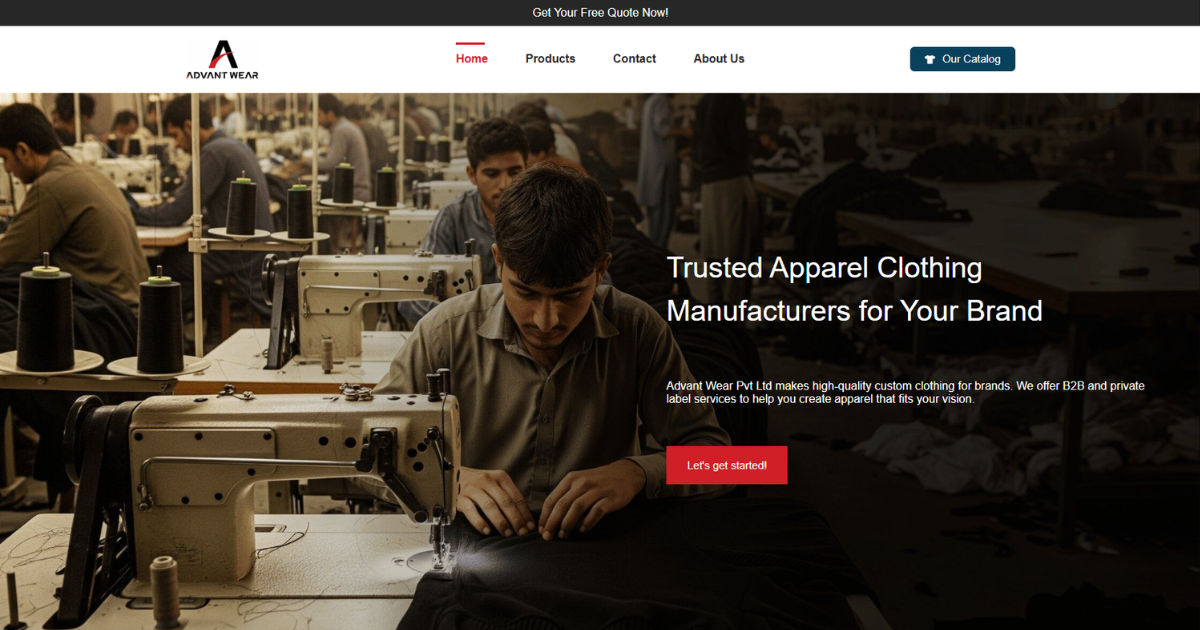
Factories are not just sewing clothes. They’re running a system.
They have cutters, sewers, finishers, supervisors, and machines that need to stay busy. Idle time costs money. Small orders disrupt flow. Frequent changeovers slow everything down.
Even fabric sourcing plays a role. Many fabric mills won’t sell small quantities either, so the manufacturer is already committing upfront.
So MOQ exists because small orders create friction across the entire production chain.
Once you understand that, negotiation starts to make more sense.