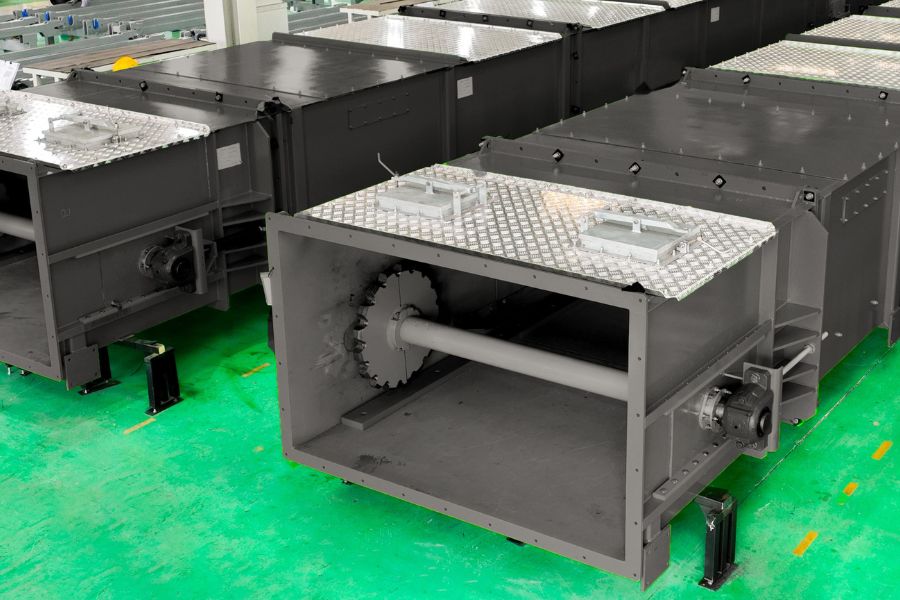
In the competitive landscape of mechanical engineering and supporting industries, understanding the nuances of conveyor manufacturers can spell the difference between success and failure. Through years of experience, many have stumbled upon critical lessons that are vital for anyone in this field. From selecting the right materials to ensuring proper installation, each aspect holds significant importance. This article delves into essential insights gleaned from firsthand experiences in working with conveyor manufacturers, aimed at guiding industry professionals toward making informed decisions.
See Article Details At: conveyor manufacturers
One of the most common pitfalls in conveyor manufacturing is improper material selection. Choosing the wrong materials can lead to increased wear and tear, inefficiencies, and ultimately, elevated costs. Many manufacturers opt for cheaper materials initially, believing they are saving money. However, the long-term expenses associated with maintenance and replacements often outweigh these initial savings. It's crucial to assess the specific requirements of each application, including load capacity, environmental conditions, and desired lifespan of the conveyor.
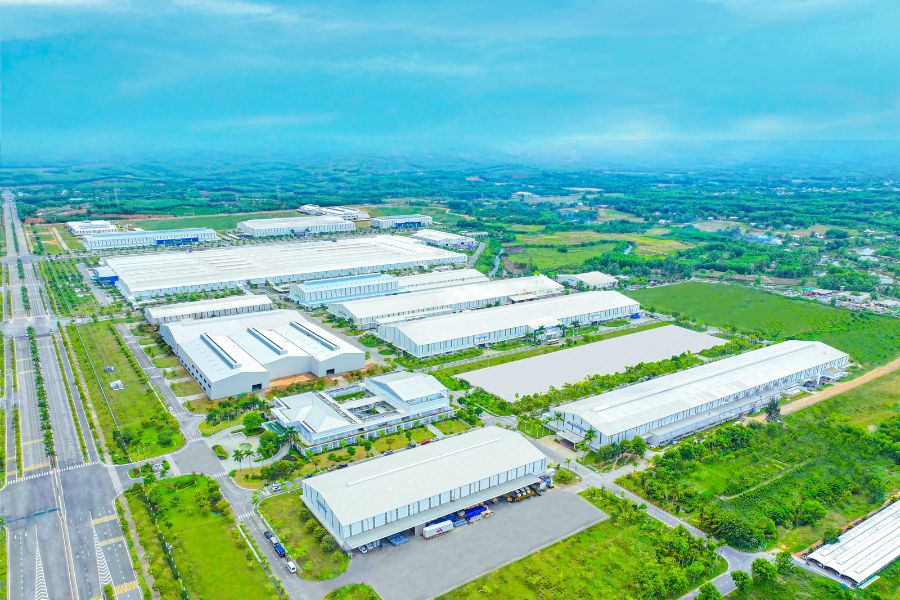
The installation of conveyor systems is another area where mistakes are frequently made. Skimping on installation processes can lead to misalignment, increased friction, and even system failure. It’s essential to follow established guidelines and recommend working with experienced technicians who understand the intricacies of conveyor systems. A well-executed installation lays a solid foundation for the system's performance.
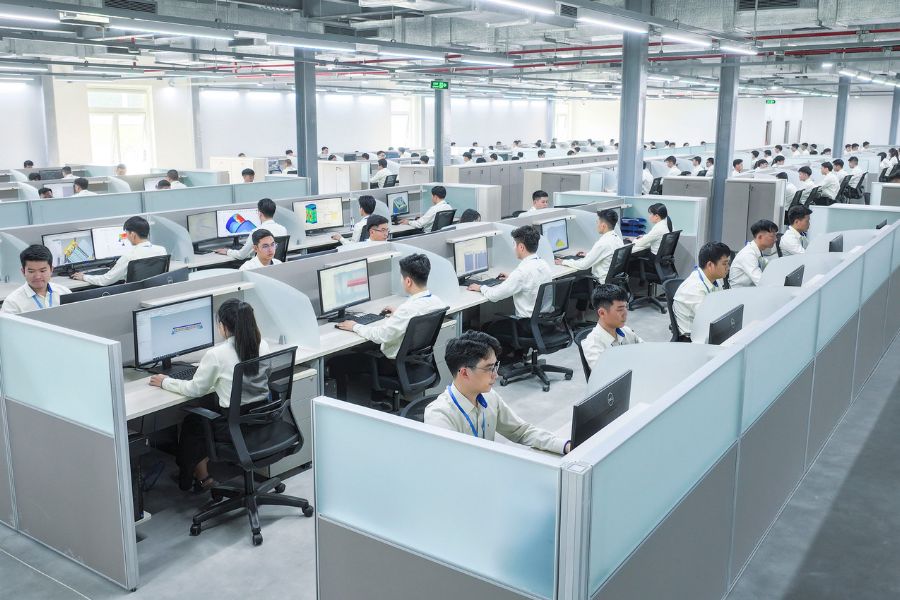
Maintenance is the backbone of any conveyor system's longevity and efficiency. Many conveyor manufacturers overlook the importance of establishing a routine maintenance schedule. Regular inspections and upkeep can prevent unexpected breakdowns and costly repairs. Implementing a proactive maintenance approach not only extends the life of the conveyor but also enhances productivity.