
In the realm of mechanical engineering and supporting industries, the significance of conveyor belts cannot be overstated. These essential components streamline processes, enhance productivity, and reduce manual labor. However, many companies overlook critical aspects when selecting conveyor belt manufacturers, leading to costly mistakes. Drawing from real-world experiences and hard-earned lessons, this article delves into common pitfalls and best practices to ensure you choose the right manufacturer for your conveyor belt needs.
See Article Details At:
One of the most significant errors companies make is neglecting to understand the quality standards required for their conveyor belts. Not all manufacturers adhere to the same level of quality assurance. It is crucial to research and evaluate the quality certifications that your potential manufacturers possess. Look for certifications such as ISO 9001, which indicates a commitment to quality management systems. This step ensures that the belts will meet industry standards and perform reliably over time.

Another common mistake is not paying enough attention to the materials used in the conveyor belts. Different applications require different materials for optimal performance. For instance, food-grade conveyor belts must comply with stringent hygiene regulations, while industrial applications might demand more rugged materials. Make sure to discuss your specific requirements with the manufacturer to ensure they can provide belts made from the appropriate materials. This will help prevent future issues and ensure the longevity of the conveyor system.
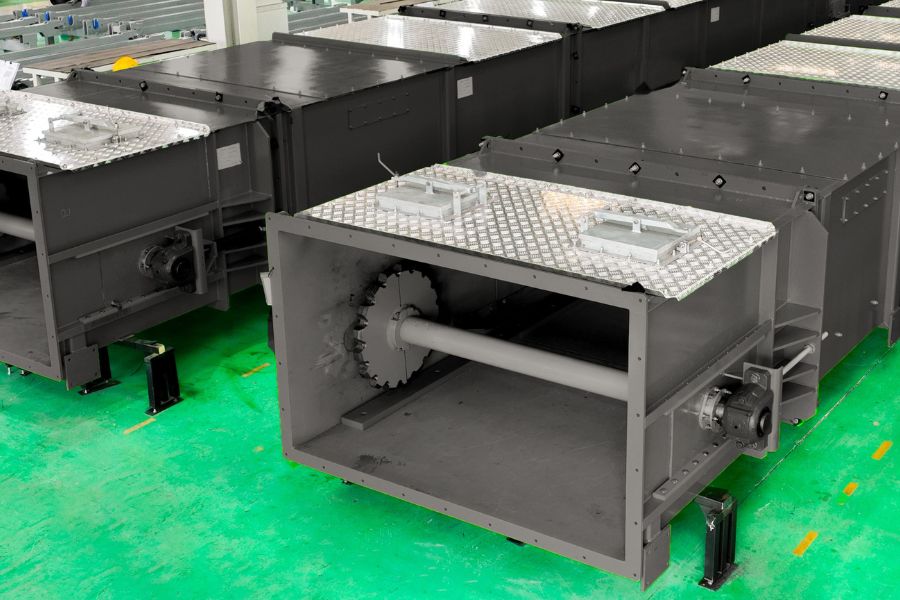
Many businesses underestimate the importance of customization when it comes to conveyor belts. A one-size-fits-all approach can lead to inefficiencies and increased wear and tear. The right manufacturer should offer customization options tailored to your specific operational needs. This could include adjustments in width, load capacity, and even special features like modular designs or automation capabilities. Engaging in a thorough discussion with the manufacturer about customization can save you from costly modifications down the line.
While budget considerations are undoubtedly important, focusing solely on cost can lead to poor decision-making. Cheaper conveyor belts often come with hidden costs, such as increased maintenance, shorter lifespans, and decreased efficiency. Instead of chasing the lowest price, consider the total cost of ownership over time, including maintenance, replacement frequency, and energy consumption. A slightly higher initial investment in a quality product can yield significant savings and productivity gains in the long run.
After-sales support is an often-overlooked aspect when selecting a conveyor belt manufacturer. A manufacturer’s commitment to after-sales service can make a substantial difference in the long-term viability of your conveyor system. Ensure that the manufacturer offers comprehensive support, including installation guidance, troubleshooting assistance, and prompt replacement parts availability. This support can drastically reduce downtime and enhance operational efficiency.
Finally, one of the most overlooked steps is the failure to read customer reviews and testimonials. These insights can provide valuable information about the manufacturer's reliability and customer service. Look for reviews on independent websites or industry forums to gain a comprehensive understanding of the manufacturer's reputation. Engaging with other businesses that have experience with the manufacturer can also provide firsthand insights that can guide your decision-making process.
In conclusion, selecting the right conveyor belt manufacturer is a critical decision that can significantly impact your operational efficiency and bottom line. By avoiding common mistakes such as overlooking quality standards, material selection, customization options, and after-sales support, you can make an informed choice that aligns with your business needs. Don't hesitate to reach out to potential manufacturers, ask questions, and thoroughly evaluate your options. Investing time and effort in this process will pay off in improved performance and reduced operational headaches in the future.