
Facebook remains one of the most powerful platforms for building brand awareness, driving traffic, and increasing engagement. However, many creators and businesses struggle to achieve consistent reach despite posting high-quality content. One often overlooked factor behind low engagement is improper formatting, especially visuals that do not align with platform standards.
Visual content dominates Facebook feeds, and posts that appear distorted, cropped, or unclear tend to get ignored. Optimizing how your visuals appear on different devices can significantly impact likes, shares, and comments. Understanding how Facebook displays images and videos is essential for maximizing post performance and ensuring your content stands out in crowded feeds.
Using the right facebook post dimensions ensures your visuals appear crisp, professional, and fully visible across mobile and desktop, helping your content capture attention instantly.
Facebook is a highly visual platform where users scroll quickly, making first impressions critical. Posts that are visually appealing and well-structured are more likely to pause scrolling behavior and encourage interaction. Poorly sized images may appear cropped or blurry, which can negatively affect credibility and engagement.
Optimized visuals also help maintain brand consistency. When your posts consistently appear clean and professional, audiences begin to recognize and trust your brand. Additionally, Facebook’s algorithm favors posts that generate early engagement, meaning properly formatted visuals can indirectly improve reach by encouraging immediate interaction.
Businesses, influencers, and marketers who prioritize visual optimization often experience higher click-through rates and stronger audience retention. It’s not just about aesthetics—it’s about strategic presentation that aligns with platform behavior.
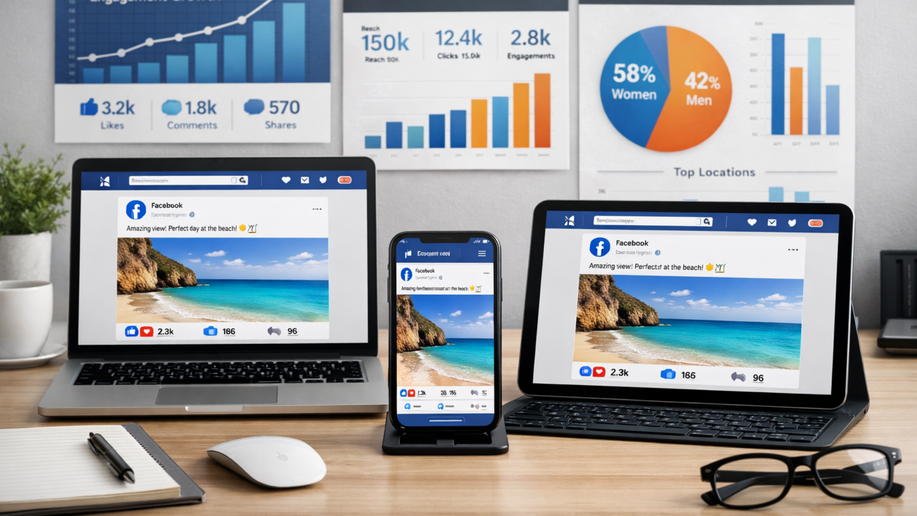
Facebook supports multiple post formats, each requiring specific dimensions for optimal display. Square images perform well across devices, while landscape and vertical formats suit links and mobile viewing—insights often identified using a *facebook ad spy tool* to analyze high-performing creatives.
Video content also requires careful formatting. Incorrect aspect ratios can lead to automatic cropping, which may cut off important elements like text or call-to-action buttons. Cover images, event banners, and story posts all follow different sizing rules, making it essential to tailor visuals based on post type.
By understanding which dimensions suit each format, marketers can design visuals that look intentional rather than accidental. This level of detail improves clarity, engagement, and overall content effectiveness.
Properly sized visuals directly influence engagement metrics such as likes, shares, comments, and clicks. When images display correctly, users can instantly understand the message without zooming or guessing. This clarity increases the likelihood of interaction.
Facebook’s algorithm prioritizes content that keeps users engaged. Posts with optimized visuals tend to retain attention longer, signaling quality to the platform. Over time, this can lead to better organic reach and reduced reliance on paid promotions.
Moreover, clear visuals enhance storytelling. Whether promoting a product, sharing a blog, or announcing an event, the right formatting ensures your message is delivered exactly as intended, strengthening audience connection across every meta campaign.
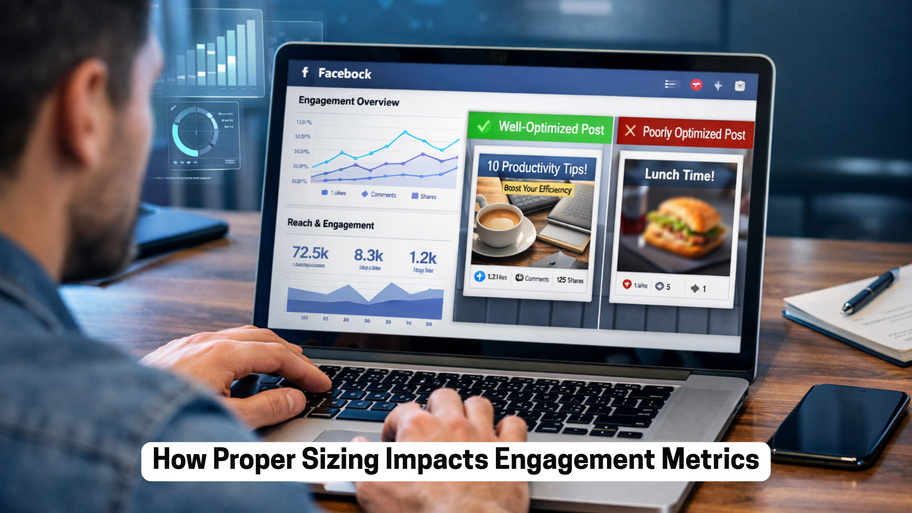
Consistency is key when optimizing Facebook visuals. Creating templates for different post types helps maintain uniformity while saving time. Always preview content on mobile before publishing, as most users access Facebook via smartphones.