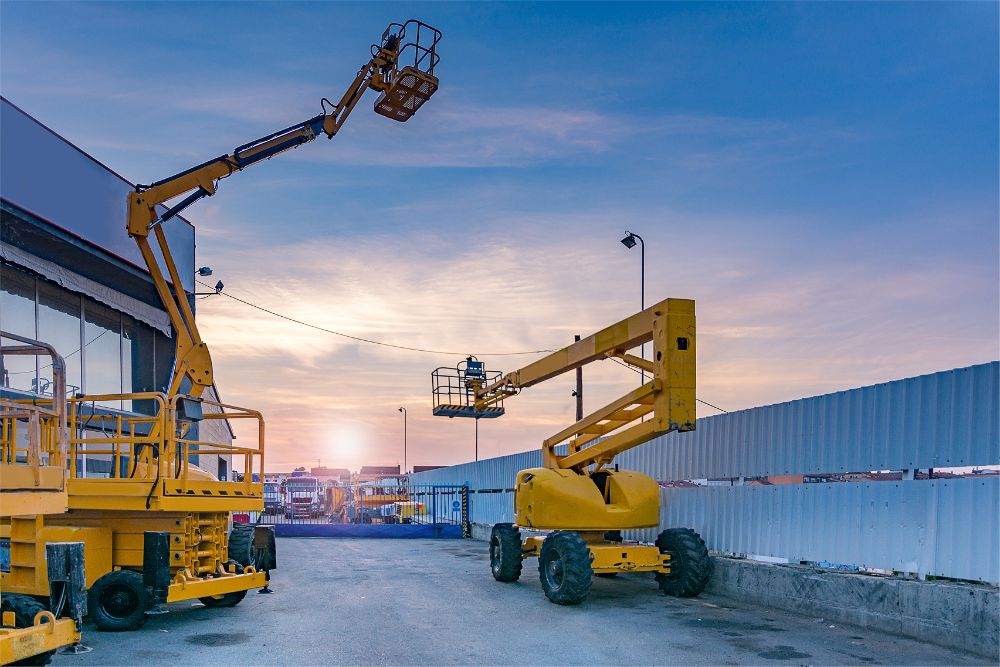
Introduction: The Moment Equipment Keeps a Project Moving A construction site often reveals its true challenges at the exact moment machinery is needed most, and delays can ripple across schedules and budgets. One early morning lift that succeeds on time can determine the pace of an entire day. This reality highlights why reliable support systems matter in modern construction. In the middle of such operations, telehandler service becomes a quiet backbone, ensuring machines perform as expected. This article explores how dependable equipment support, informed decisions, and industry knowledge shape efficiency, safety, and long-term value.
Understanding the Role of Specialized Equipment Support Construction and industrial projects rely on more than machines alone; they depend on expertise that keeps equipment functional under demanding conditions. Specialized support ensures that machines adapt to varying environments, loads, and timelines. In the middle of daily operations, telehandler service contributes to stability by reducing downtime and extending equipment life. This support allows operators and managers to focus on coordination rather than constant troubleshooting. As projects grow more complex, the significance of dependable service networks continues to increase across industries.
Efficiency, Planning, and Long-Term Equipment Value Efficiency in construction is rarely accidental; it emerges from planning, maintenance awareness, and informed investment choices. Equipment that is properly supported tends to operate closer to optimal performance levels over time. In the middle of these considerations, telehandler service aligns operational goals with maintenance realities, supporting predictable outcomes. At the same time, heavy equipment sales influence how organizations build fleets that balance cost with capability. Together, service planning and purchasing strategy shape long-term value, minimizing unexpected expenses and operational disruptions.
Market Trends Influencing Equipment Availability The construction equipment market reflects broader economic and technological shifts, affecting availability and purchasing behavior. Manufacturers now emphasize versatility, safety features, and digital monitoring systems. In the middle of these trends, heavy equipment sales respond to demand for machines that deliver consistent performance while meeting regulatory standards. Buyers increasingly seek suppliers that understand both operational needs and lifecycle costs. These market dynamics encourage thoughtful evaluation, where equipment is selected not only for immediate tasks but also for adaptability in future projects.
Decision-Making in Equipment Acquisition and Support Sound decision-making in construction often combines data, experience, and realistic forecasting. Selecting machinery involves assessing job requirements, site conditions, and expected usage duration. In the middle of this process, heavy equipment sales play a role by offering access to options that align with specific operational goals. Equally important is considering ongoing support, training, and maintenance access. Balanced decisions reduce risk, enhance productivity, and ensure that equipment investments contribute positively to overall project performance.
Conclusion: Building Confidence Through Informed Choices Construction success depends on aligning machinery, expertise, and timing into a reliable system that supports daily operations. Informed choices about equipment and support services help organizations manage uncertainty while maintaining momentum. The industry continues to evolve, but thoughtful planning remains a constant advantage. Resources such as g4equipment.com, referenced in the middle of this conclusion, reflect how access to knowledge and equipment solutions supports better outcomes. Mentioned once here, g4equipment.com represents the importance of informed partnerships in modern construction environments.Is this conversation helpful so far?