URLs and files in an email need to be checked to make sure they are safe. You don't want your data to be stolen by hackers by running these files on your personal computer. For this reason, the websites and files in the mail should be run in sandbox environments and the changes made to the system should be examined to see if they are harmful or not.
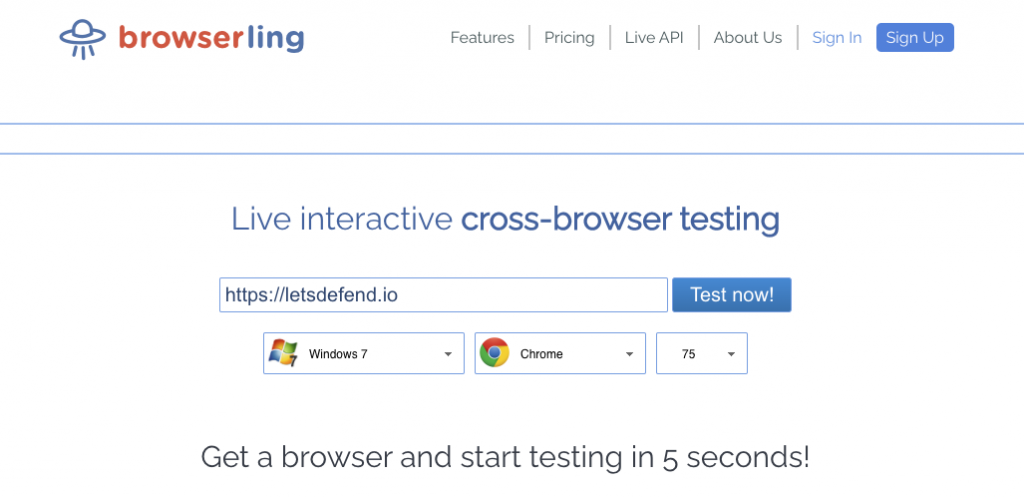
You can use online web browsers such as Browserling to quickly check the web addresses in the email. The advantage of such services is that you are not burdened by a possible zero-day vulnerability that would impact browsers, as you are not visiting the website on your own computer. On the other hand, the disadvantage of using web browsers such as Browserling is that if the malicious file is downloaded from the website, you will not be able to run it. This could interrupt your analysis.
.png)
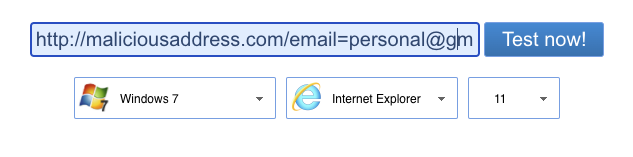
Before going to the links in the email, you should check if there is any important information in the URL. If we examine the example in the image above, and the user's email address in the email parameter. So even if the user does not enter their password on the phishing page, when they click on popularshoppingsite[.]com and visit the website, the attacker will know that this user is valid. The attacker can increase the success rate of the attack by social engineering the valid users in later attacks. Therefore, it is important to change information such as email addresses before accessing websites.
Sandbox environments allow you to examine suspicious files and websites without the risk of infecting your computer with malware. Many sandbox services/products are available for both paid and free use. You can choose one or more of these services according to your needs.
Some commonly used sandboxes:
Malware can wait a certain amount of time without taking any action to make detection more difficult. You have to wait for the malware to take action before you decide that the file being scanned is not malicious.
Also, the fact that there are no URLs and files in the email does not mean that it is not malicious. The attacker may also send the malware as an image to avoid detection by the analysis tools.