In Start Here: Product Visualization for 3D Artists, I introduced product visualization as a career path. Then, in Deep Dive 1: The Importance of CAD, we looked at how CAD models form the backbone of most product pipelines. And in Deep Dive 2: Why NVIDIA Is Betting on CPG Digital Twins, we broke down why even the biggest tech companies are pivoting toward consumer goods.
This week, I want to highlight something that often gets overlooked…packaging.
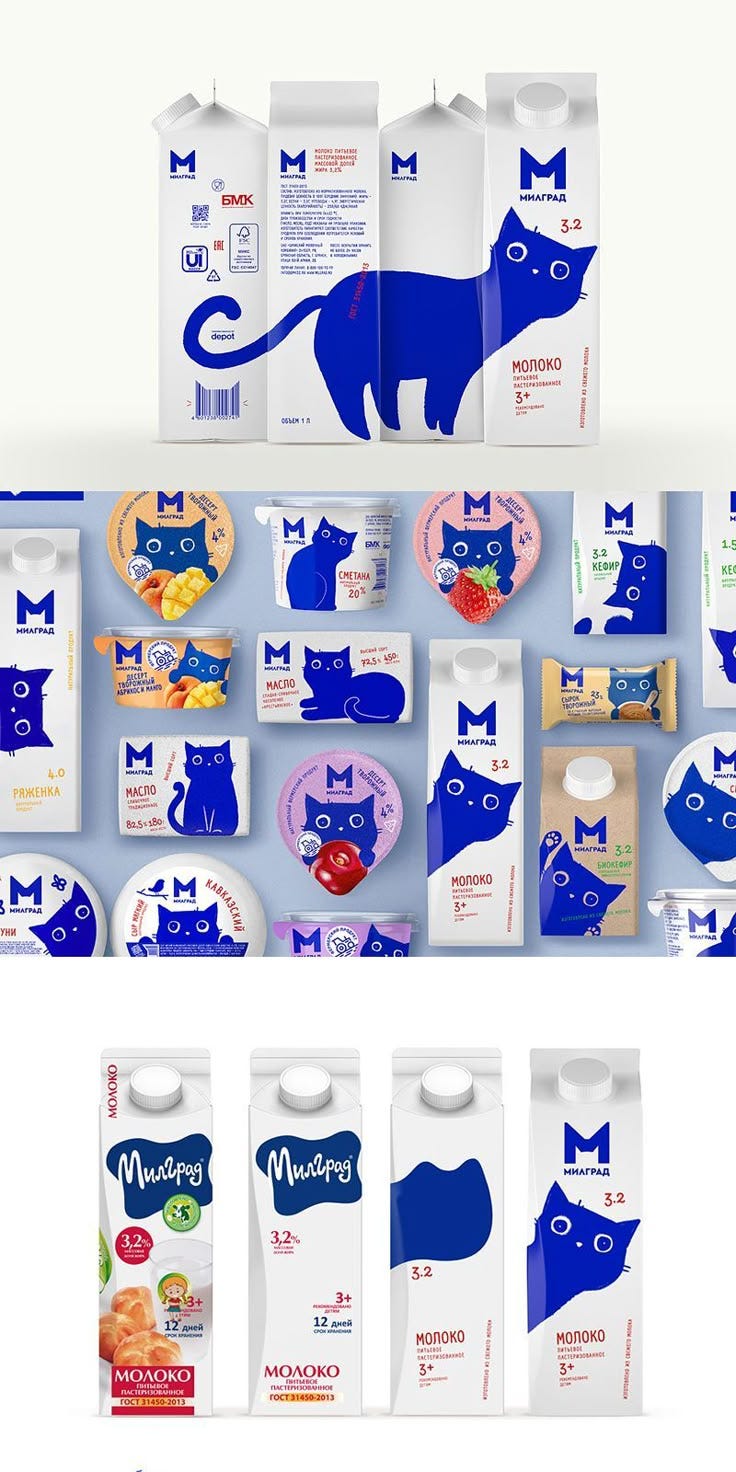
DEPOT. Milgrad by Vera Zvereva in Gorgeous Prints & Packaging Design Collection | YDJ Blog
When artists first think about product visualization, they usually picture the product itself: a shampoo bottle, a sneaker, a phone. But in reality, most products don’t reach a customer without packaging, and in many industries the package visualization is just as important as the product visualization.
At large companies, there are often separate product and packaging teams. At smaller companies, it can be a single group, but either way, packaging is a significant part of the pipeline that is frequently overlooked in portfolios.
Uf you’re looking to stand out in this space, you need to show you can do both.
Just like product visualization, packaging visualization shows up in two very different moments.
Knowing which part of the process you’re working on matters. A rough digital mockup may be enough for early approvals, but final marketing shots demand realism and attention to detail.
Let’s run through some of the most common forms of packaging you’ll encounter.
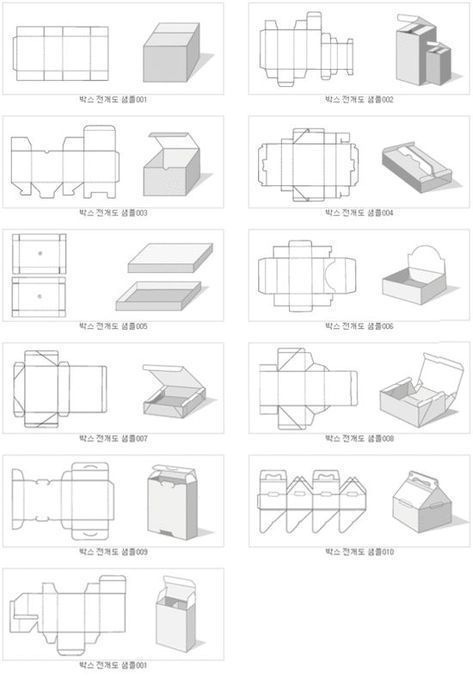
Boxes / Folding Cartons – Designed as 2D dielines (usually in Illustrator) that fold into 3D shapes. Artwork is laid out flat and needs to be wrapped accurately around the folded structure. Showing a 3D mockup of the dieline is crucial because approvers usually aren’t trained to “read” a flat layout.
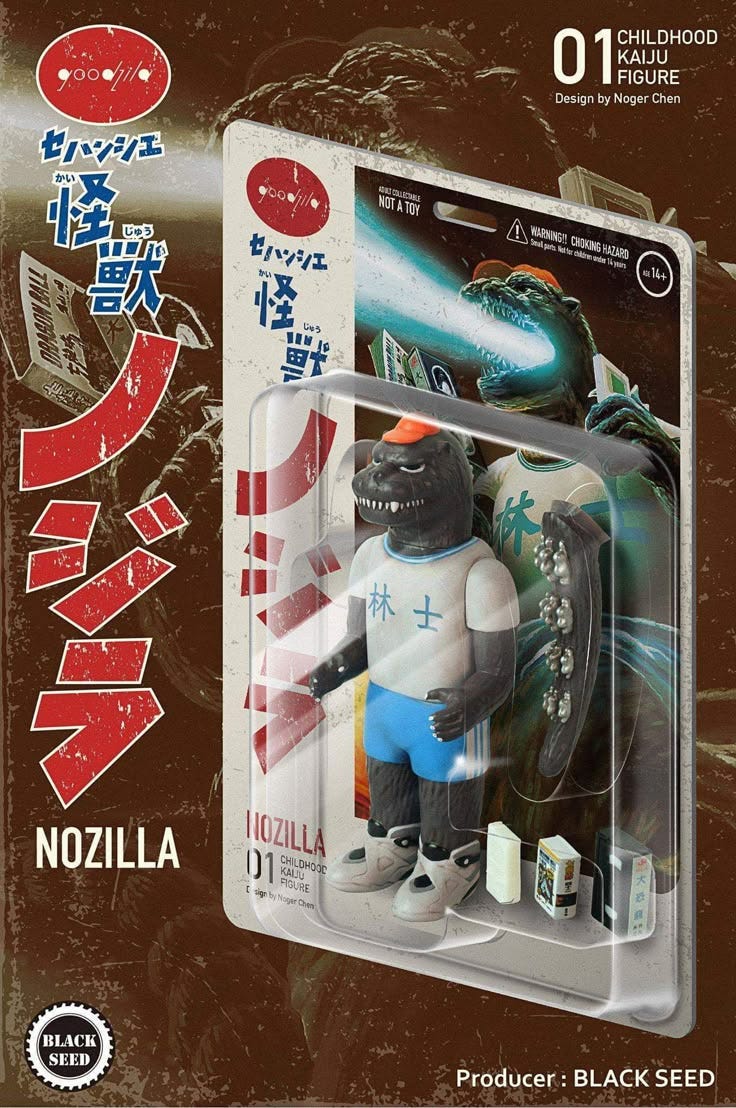
Blister Packs & Clamshells – Clear plastic shells that hold or display a product, often attached to cardboard. The plastic part is usually designed in CAD. For visualization, you’ll need the blister modeled and assigned a translucent plastic material.
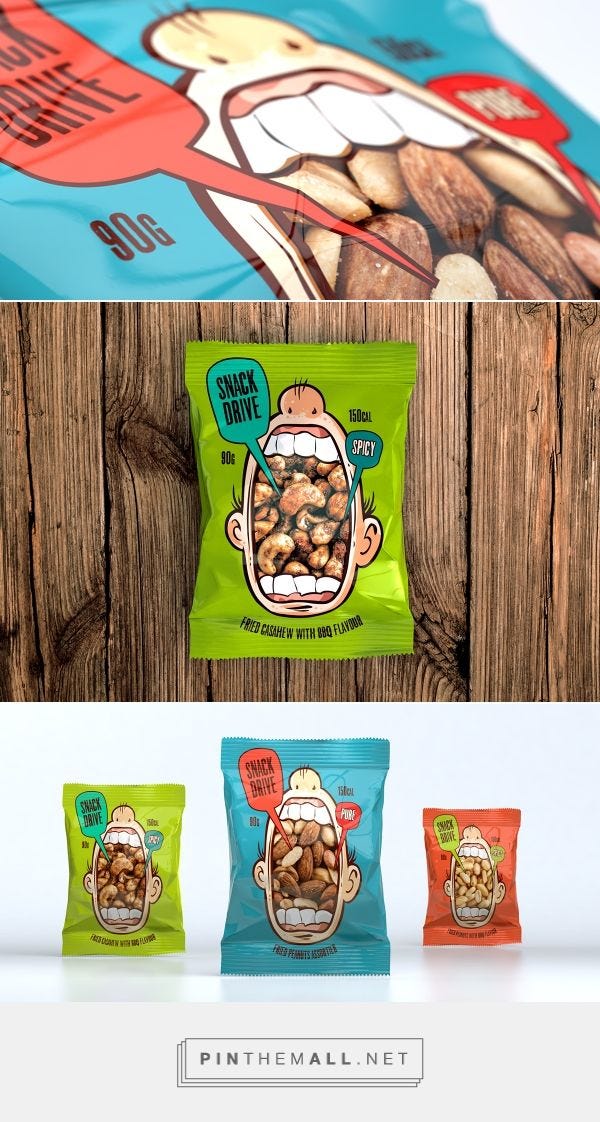
Flexible Pouches – Think food bags or resealable pouches. These can be modeled in 3D and sometimes simulated to show how they wrinkle or collapse. They’re cheap to manufacture and everywhere in CPG, so worth including in your portfolio.